Introduction
Novosibirsk is more than a Siberian administrative center — it’s a vibrant educational ecosystem where children and youth can discover passions, build skills, and prepare for the future. This article outlines why extracurricular activities matter, what options families in Novosibirsk can explore, and practical tips for choosing and balancing programs to support healthy development.
Why extracurriculars matter
— *Holistic development*: activities outside the classroom develop social skills, emotional resilience, creativity, and physical health.
— *Academic boost*: structured hobbies like robotics, music, or language clubs complement school learning and often improve school performance.
— *Career and identity exploration*: early exposure to different fields helps teens make informed educational and career choices.
— *Community and belonging*: teams, ensembles, and volunteer projects connect young people to their city and peers.
What families can find in Novosibirsk
Novosibirsk’s size and cultural-scientific profile create a rich palette of options:
— Sports and movement
— Youth sections in football, basketball, gymnastics, martial arts, swimming, and figure skating.
— Outdoor clubs for hiking, orienteering and winter sports — great for stamina and appreciation of nature.
— Arts and culture
— Music schools, choirs, dance studios and visual arts ateliers.
— Theater studios, cinema and literature circles that cultivate expression and critical thinking.
— STEM and technology
— Robotics clubs, coding schools, math circles and science workshops often affiliated with local universities and tech centers.
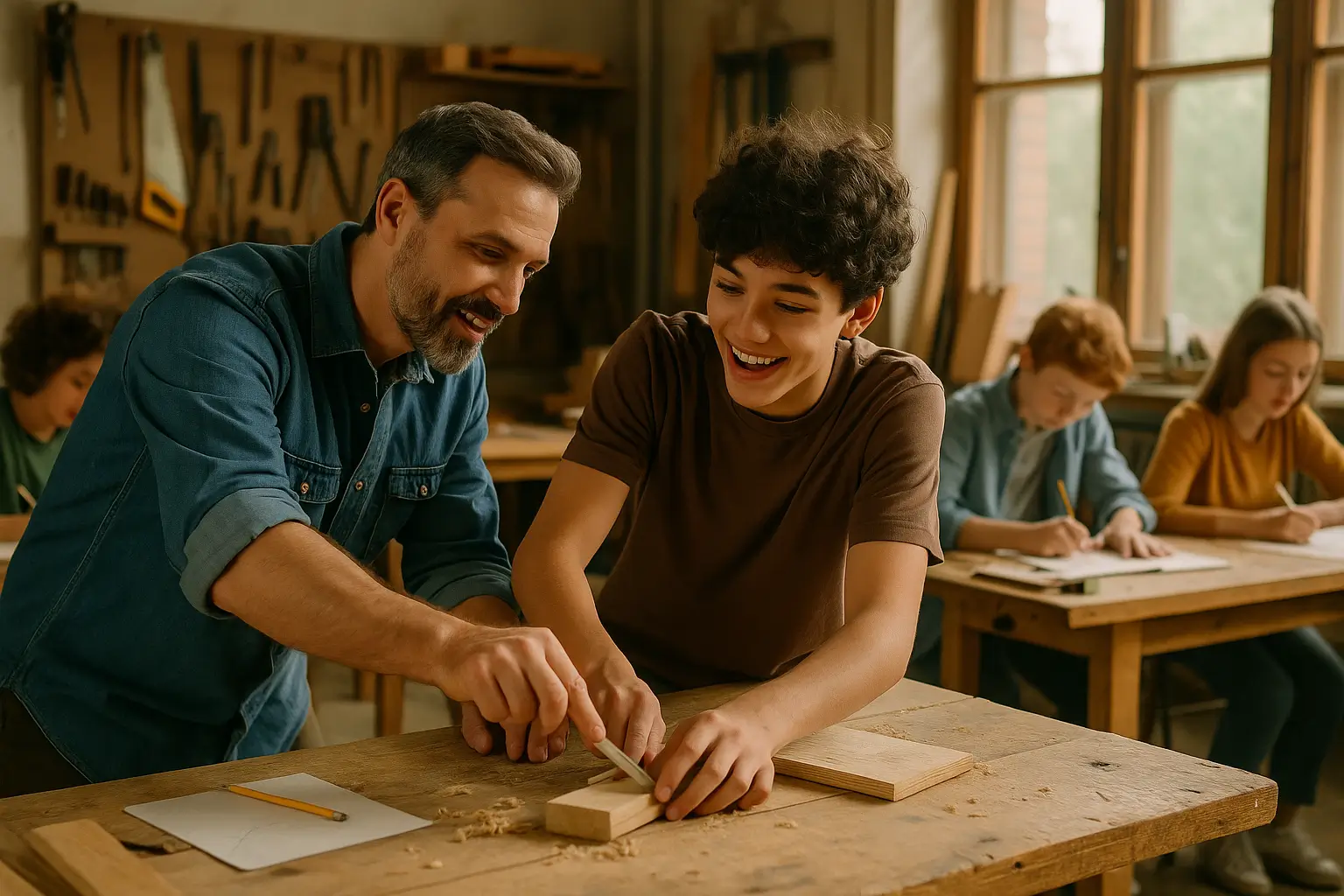
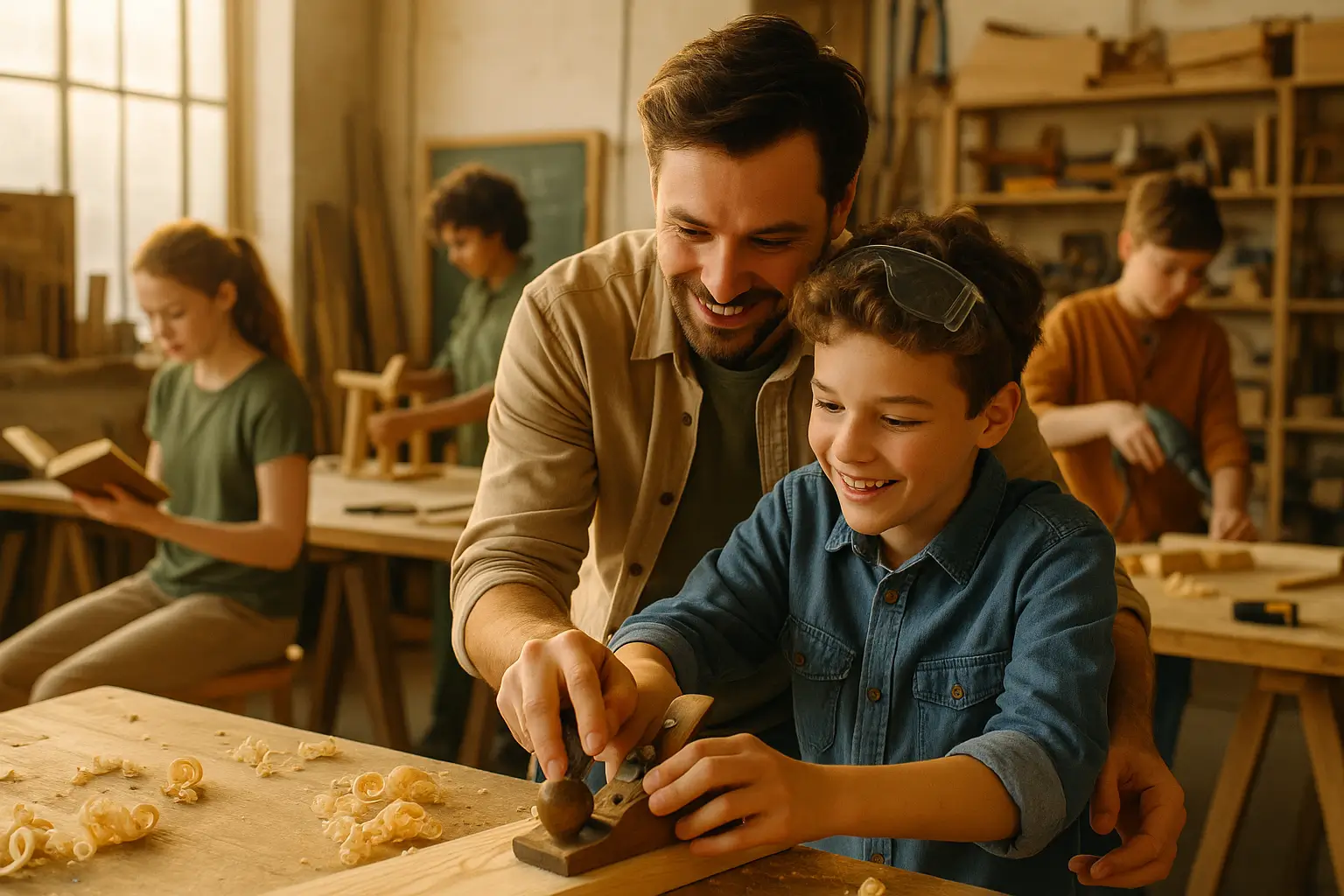
— Maker spaces and engineering labs where teens build real projects.
— Languages and humanities
— Language schools, debate clubs, and history/culture societies that broaden worldview and communication skills.
— Civic engagement and volunteering
— Youth councils, environmental initiatives, charitable drives and peer-mentoring programs that teach leadership and responsibility.
— Museums, planetariums and libraries
— Regular workshops, themed programs and summer schools run by cultural and scientific institutions.
Where to look locally (how to find programs)
— University and research centers: public lectures, summer schools and youth competitions often originate from local universities and research institutes.
— Municipal youth centers and sports schools: the city and district administrations run affordable programs.
— Cultural institutions: theaters, museums, libraries and the planetarium usually have children’s programs and masterclasses.
— Private studios and commercial clubs: many specialize in intensive preparation (competitions, auditions, Olympiads).
— Online platforms and social media: local community groups, VKontakte pages, and official municipal portals list seasonal offers and registration info.
How to choose the right activity
1. Start with the child’s interests — not only what looks prestigious.
2. Aim for variety in early years: a mix of physical, creative and cognitive activities.
3. Consider quality over quantity: one well-run program trumps several superficial ones.
4. Check instructor credentials, class size, and safety measures.
5. Look for progressive programs that adapt as your child grows (levels, competitions, performances).
6. Try before committing: many places offer trial classes or short-term workshops.
Scheduling and balance
— Limit to 2–3 regular activities for younger children; older teens can handle more if they manage time well.
— Prioritize rest, homework and free unstructured play — essential for creativity and mental health.
— Use a shared family calendar to avoid overlaps and to maintain predictable routines.
— Plan seasonal cycles: intensive short-term courses in school breaks, lighter schedules during exams.
Financing options and accessibility
— Municipal and state-subsidized programs are often more affordable — check district youth centers.
— Scholarships, grants and competition-based funding: many contests and foundations provide fee waivers.
— Exchange resources with other families (shared transport, group classes) to reduce costs.
— Explore free or low-cost community offerings: libraries, public parks, and volunteer-led clubs.
Measuring impact and adjusting
— Set simple, observable goals (master three songs, complete a robotics project, improve stamina).
— Re-evaluate every 3–6 months: is the child motivated? Are they learning and enjoying it?
— If burnout appears, scale back or switch activities — changing interests is normal.
Practical checklist for parents (quick start)
— Ask your child what excites them.
— Research three local options and attend trial classes.
— Verify safety, instructor background and schedule compatibility.
— Agree on a 3–6 month trial period and review progress together.
— Keep open communication about workload and enjoyment.
Conclusion
Novosibirsk offers a unique blend of scientific, cultural and sporting opportunities for children and youth. Thoughtful selection and mindful scheduling of extracurricular activities help young people grow curious, capable, and connected — ready for academic success and a fulfilling life. Start with one interest, stay flexible, and let the child’s joy guide the path.