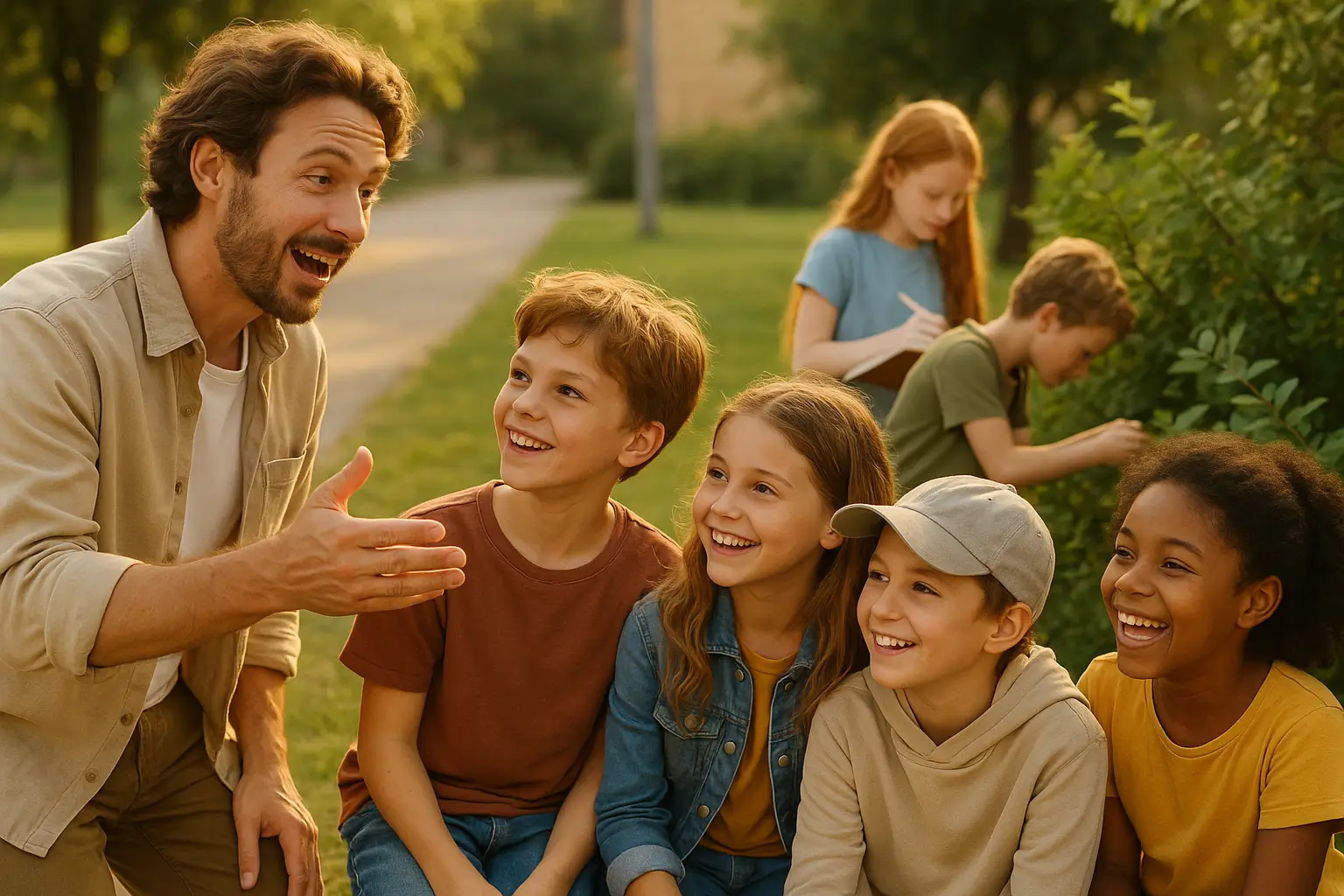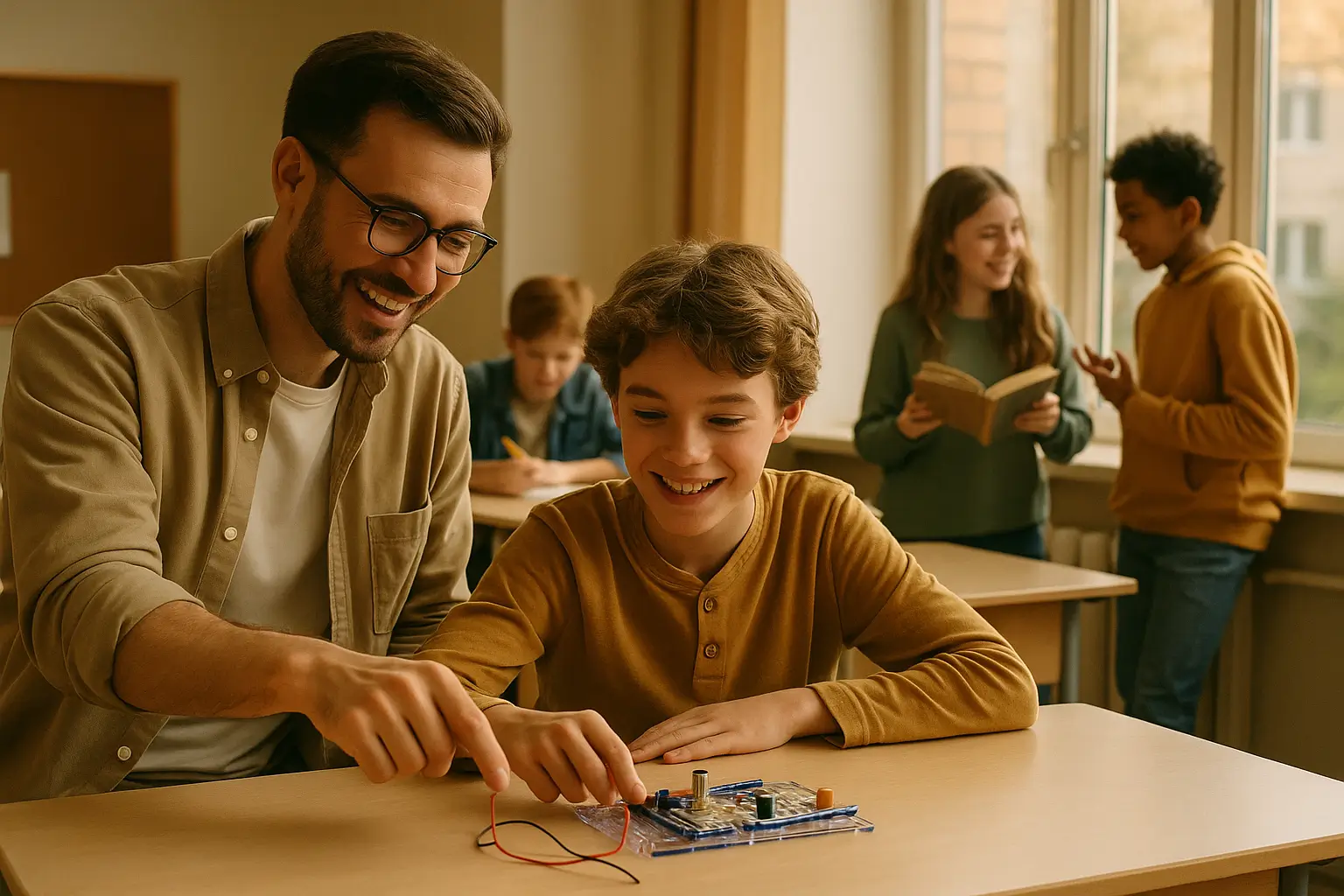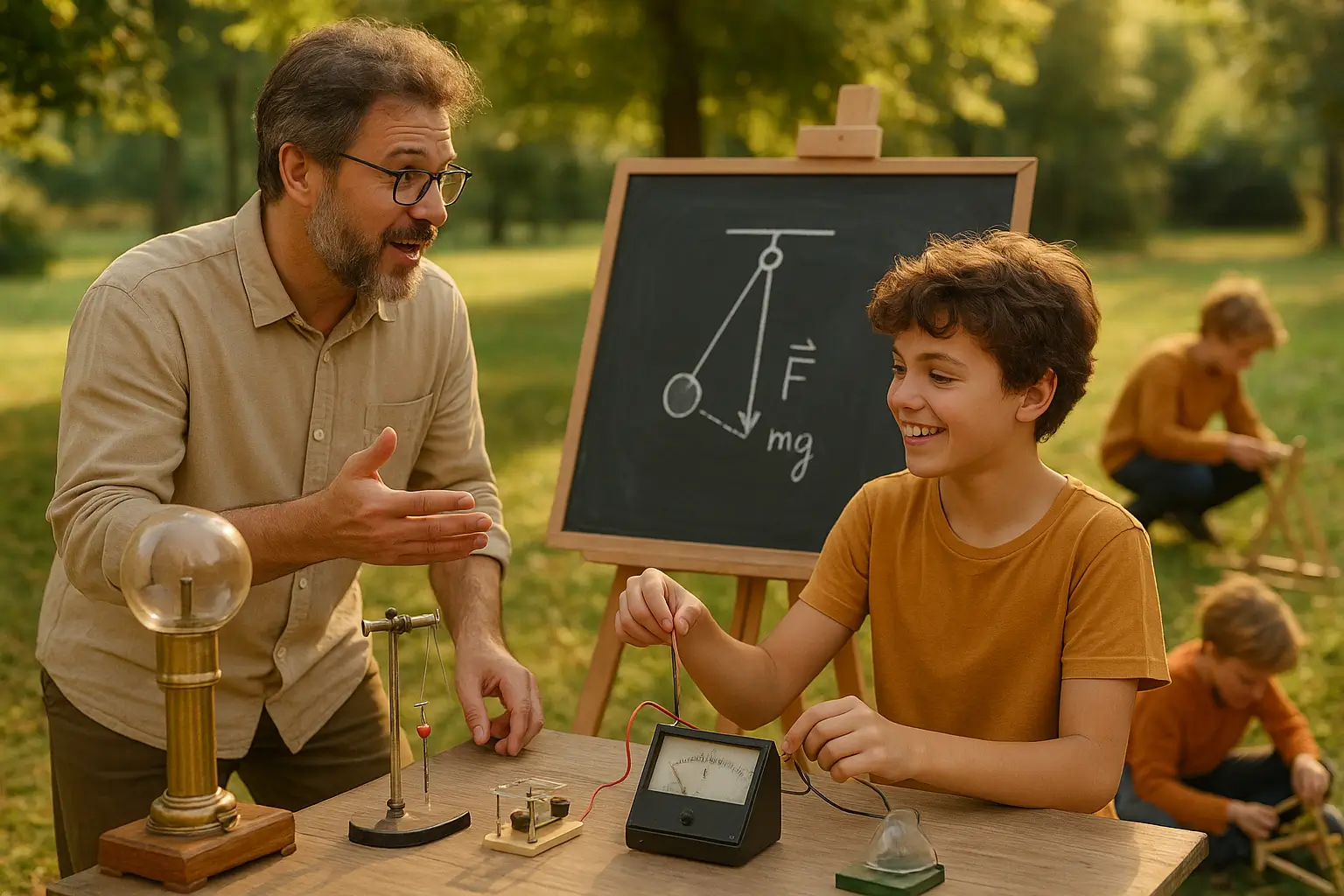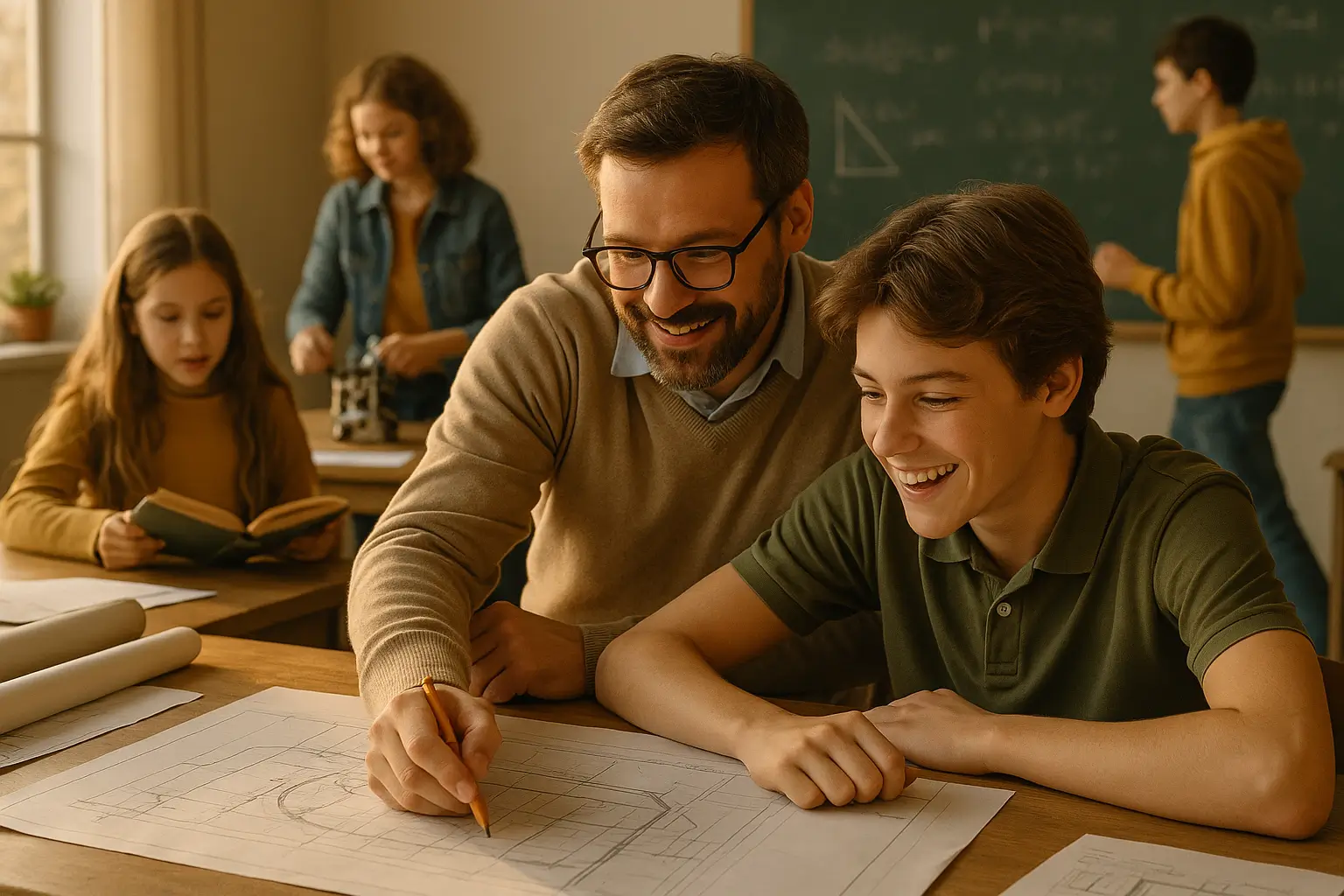
Overview
Novosibirsk combines a large urban infrastructure with a powerful scientific and cultural cluster (Akademgorodok). This creates a rich environment for children and youth to grow academically, creatively and socially. Local universities, cultural institutions and municipal centers offer diverse extracurricular options that complement school education and prepare young people for higher education, careers and active citizenship.
Local ecosystem — what Novosibirsk offers
— Major higher-education and research anchors: Novosibirsk State University (NSU), pedagogical and technical universities, and institutes concentrated in Akademgorodok — these provide lectures, master classes, summer schools and youth research opportunities.
— Municipal and extra-school institutions: city «palaces» and centers for additional education commonly run courses in music, art, drama, languages, and applied sciences.
— Cultural venues and museums: theaters, concert halls, museums and libraries run workshops, children’s programs and festivals year-round.
— Sport infrastructure: city sports schools and private clubs offer team and individual sports (hockey, football, figure skating, martial arts, swimming).
— Tech and STEM hubs: regional branches of national initiatives (children’s technology parks, robotics and programming clubs, STEM workshops) host competitions and project work.
— Volunteer and youth civic programs: municipal youth centers, NGOs and school initiatives give opportunities for social projects, volunteering and leadership training.
Popular extracurricular directions in Novosibirsk
— STEM & robotics: programming, electronics, robotics clubs, scientific circles and summer research schools.
— Creative arts: music schools, choir, theater studios, dance and visual arts workshops.
— Sports: organized sports schools, seasonal outdoor activities and competitive teams.
— Languages and humanities: language clubs, debate societies and history/literature circles.
— Career and entrepreneurship: business clubs, project incubators, internships with research labs or local companies.
— Social projects & volunteering: community service, environmental initiatives and youth leadership programs.
Why extracurriculars matter
— Develop soft skills: communication, teamwork, time management, resilience.
— Expand horizons: access to research labs, cultural institutions and competitions not available in regular school.
— University/career advantage: subject-specific depth, competition results and project portfolios help in admissions and career choices.
— Well‑being: physical activity and creative expression support mental health and social integration.
How to choose the right program
— Start with the child’s interest and temperament — motivation is the single best predictor of success.
— Check qualifications and safety: ask about teacher credentials, child‑safety policies and insurance.
— Try before committing: sign up for trial classes or short courses.
— Mix depth and variety: allow one specialized long-term activity plus 1–2 exploratory or seasonal options.
— Watch for overload: ensure schoolwork, sleep and family time are not compromised.
— Consider logistics and cost: factor travel time and fees into decisions.
Practical weekly guidelines (typical)
— Preschool (3–6 yrs): 3–6 hours/week of organized activities (short, playful sessions).
— Primary school (7–11 yrs): 4–8 hours/week split between one focused class and a complementary hobby.
— Middle/high school (12–17+ yrs): 6–12+ hours/week for students building depth (competitions, research, serious sports).
Adjust depending on the child’s energy, academic load and goals.
Opportunities for older youth (15–19+)
— Research internships and summer schools at university labs and institutes in